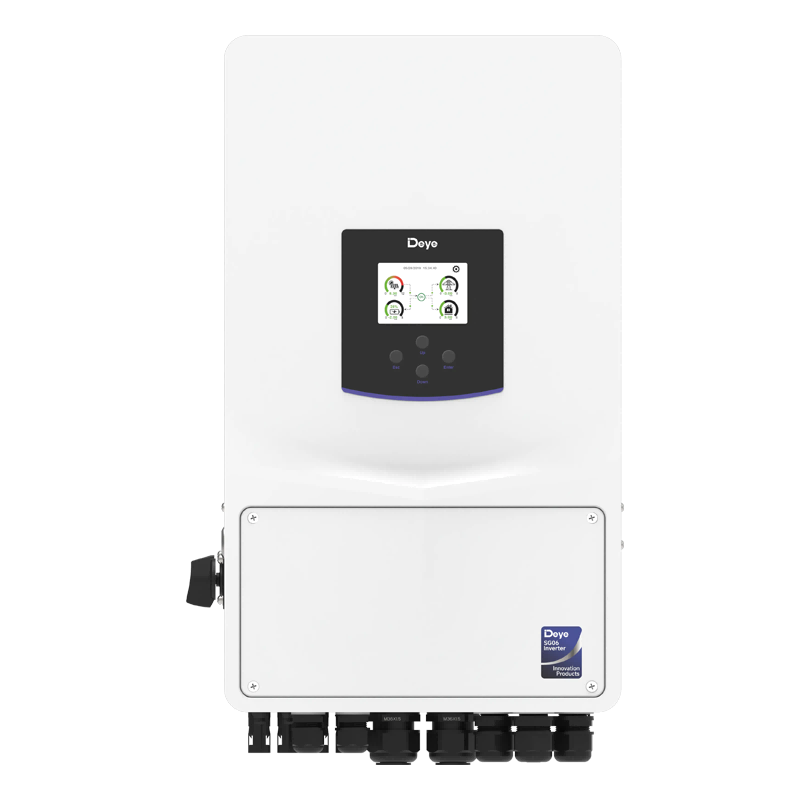
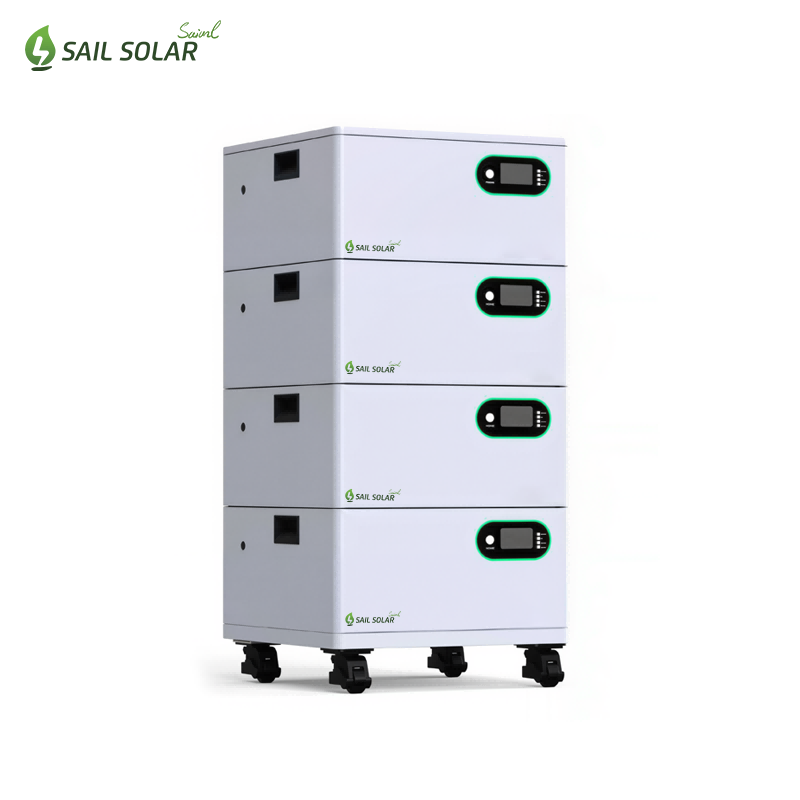
Will Rising Chip Prices Lead to Price Increases Across All Inverter Product Lines?
Jul 22, 2026Recently, one of China's leading energy storage PCS manufacturers, Sinexcel, announced a 10%–30% price increase across its entire product portfolio.
According to the company, the prices of key raw materials—including gold, silver, copper, and tin—have increased by 30% to 200%. At the same time, the costs of PCBs, memory chips, magnetic components, chip resistors and capacitors, IGBT chips, isolated gate driver ICs, circuit breakers, and relays have surged by 50% to 800%, with prices continuing to rise.
As a result of these combined cost pressures, the overall manufacturing cost of Sinexcel's products has increased significantly compared with the beginning of 2026. Although the company has attempted to offset these increases through supply chain optimization and improved production efficiency, it stated that the current pricing structure can no longer absorb the continuously rising costs.
The Relationship Between Inverters and Chips: The Brain and the Muscles
An inverter's primary function is to convert direct current (DC) into alternating current (AC). Multiple types of semiconductor devices work together to accomplish this task.
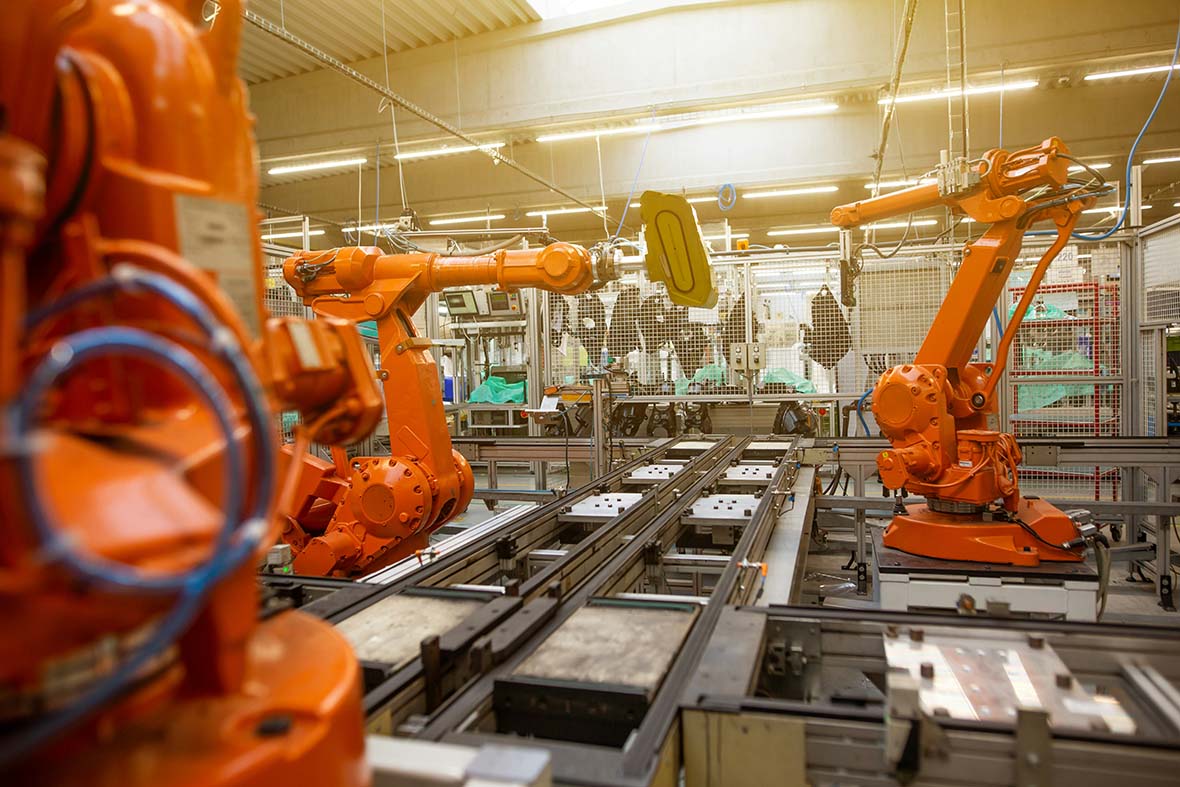
These processors execute the inverter's control algorithms, including Maximum Power Point Tracking (MPPT), generate PWM control signals, monitor system status, and manage communication functions.
Power devices perform high-frequency switching operations that reshape DC electricity into AC output.
They largely determine:
Among them, IGBTs, MOSFETs, and increasingly Silicon Carbide (SiC) devices are the most critical components.
Gate driver chips amplify the low-voltage control signals generated by the MCU or DSP and accurately drive the IGBT or MOSFET to switch on and off.
Without these devices, the power semiconductors cannot operate correctly.
Additional semiconductor devices include:
These components ensure stable power supply, accurate sensing, system protection, and intelligent monitoring.
Overall, semiconductor devices—especially power semiconductors and control processors—typically account for 15% to 25% of an inverter's Bill of Materials (BOM).
Leading inverter manufacturers such as Huawei and Sungrow typically maintain long-term procurement contracts with major semiconductor suppliers like Infineon.
These agreements provide:
As a result, flagship products from large manufacturers are generally better protected during the early stages of a semiconductor price surge.
Large utility-scale PV and energy storage projects are usually awarded through competitive government or utility tenders.
Once contracts are signed, product prices are often locked.
Manufacturers therefore have limited flexibility to pass increased component costs directly to customers and frequently absorb part of the cost internally.
In recent years, China has significantly improved domestic production of:
Many residential and small commercial inverter products already use locally sourced semiconductor solutions.
Therefore, if price increases mainly affect imported high-end chips, these product lines may experience relatively limited cost pressure.
If semiconductor prices continue climbing, several inverter categories typically experience price adjustments sooner than others.
Customers in these markets are primarily distributors and installers.
Compared with large utility projects, manufacturers generally have greater pricing flexibility, making these products the first candidates for price increases.
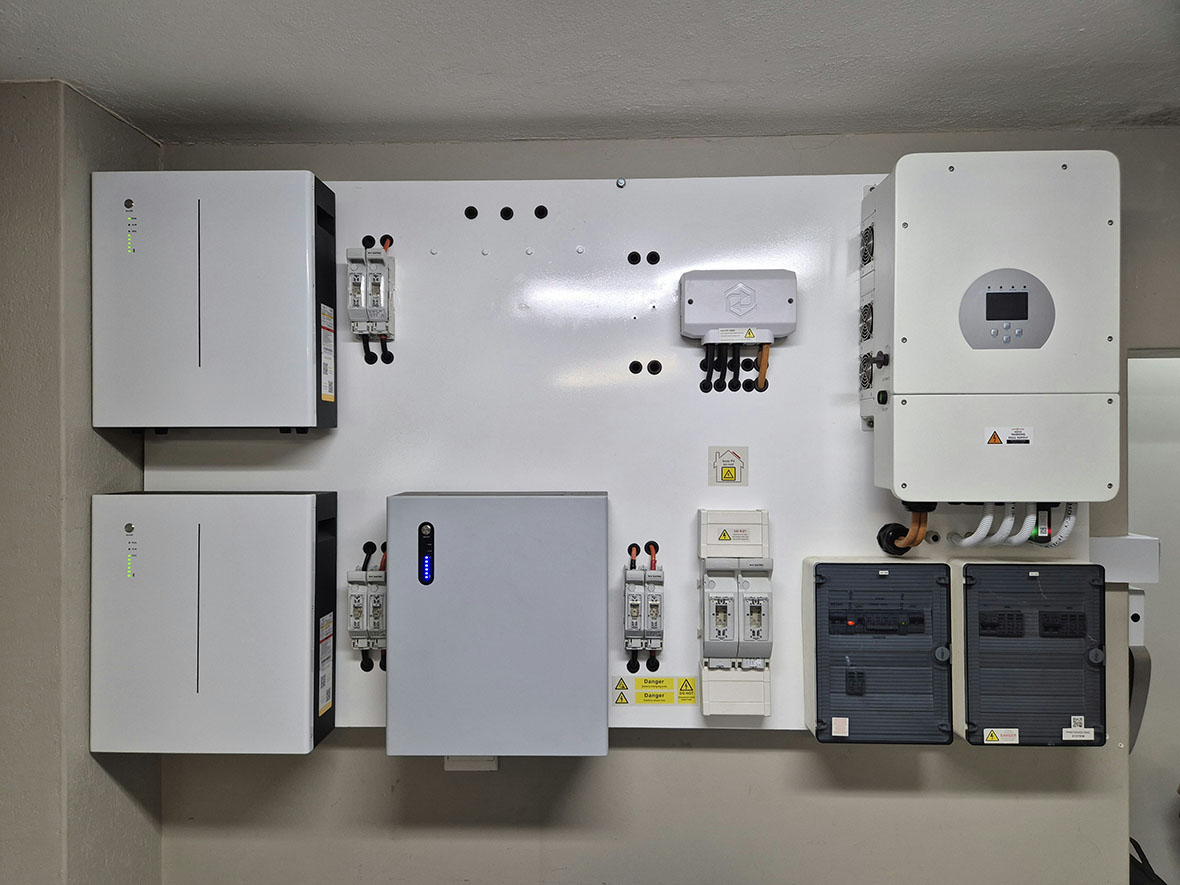
Large energy storage converters require:
Because these products rely heavily on premium imported components, sustained semiconductor inflation is difficult to absorb internally.
Compared with industry leaders, smaller inverter brands often have weaker purchasing power.
Without long-term supply agreements, they frequently depend on the spot market, where semiconductor prices fluctuate much more dramatically.
Consequently, smaller manufacturers are often forced to raise prices earlier than larger competitors.
In reality, industry-wide inverter price increases are rarely caused by chips alone.
Instead, they usually result from multiple cost factors rising at the same time, including:
When both commodity metals and semiconductor components experience significant inflation simultaneously, manufacturers eventually reach the point where internal cost absorption is no longer sustainable.
Under these conditions, industry-wide inverter price increases of 10%–30% become increasingly likely, particularly for energy storage products and high-power inverter systems.
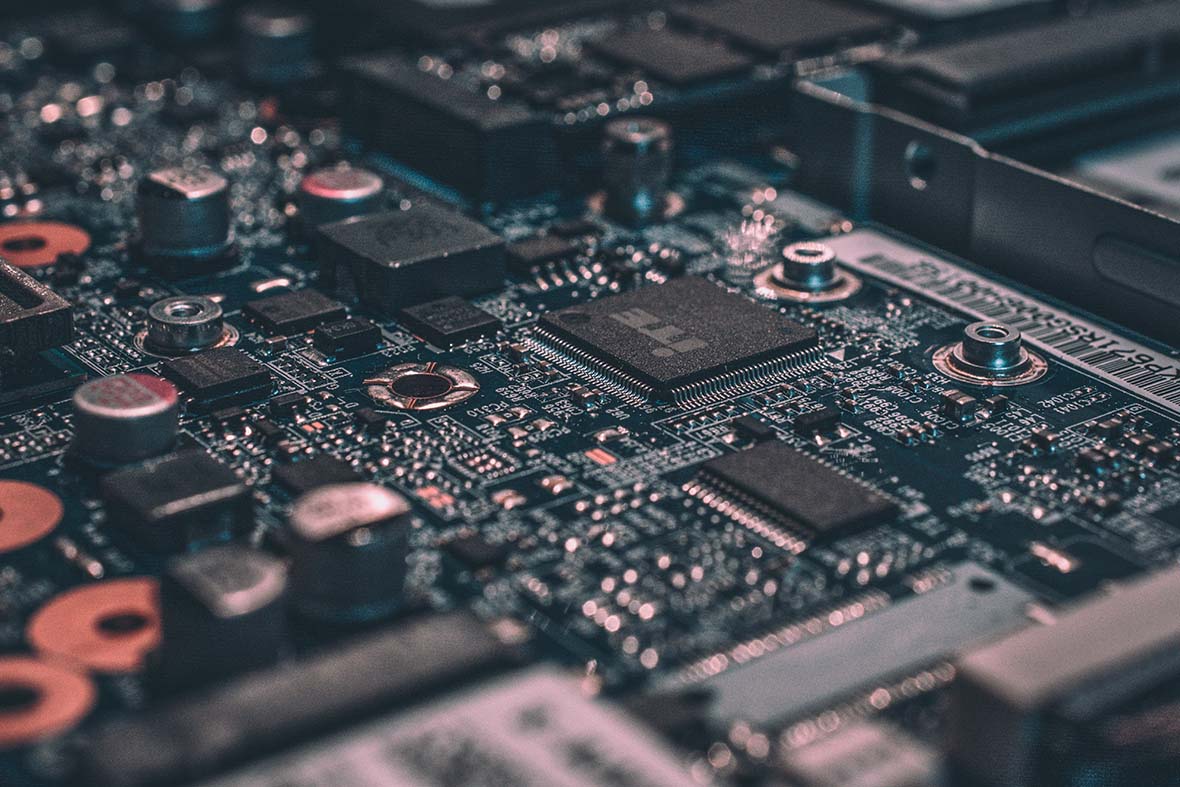
Rising semiconductor prices alone do not automatically trigger immediate price increases across every inverter product line. Large manufacturers can often cushion short-term impacts through long-term supply agreements, stronger purchasing power, and optimized supply chains, while utility-scale projects are constrained by fixed-price contracts.
However, when chip shortages coincide with sharp increases in the prices of metals, magnetic materials, electronic components, and other key raw materials, the cumulative cost pressure becomes difficult to absorb. In such circumstances, manufacturers are far more likely to adjust prices across broader product portfolios.
Looking ahead, the market is likely to see selective price increases first—particularly in residential inverters, commercial systems, and high-power energy storage PCS—before broader industry-wide adjustments occur if raw material inflation persists.
tel : +86 -18655186412
E-mail : Inquiry@sailsolarpv.com
Whatsapp : +86 -18655186412
Add : Building 7, Cross Border E-Commerce Supervision Zone, Hefei, China



© 2026 SAIL SOLAR ENERGY CO., LTD Tutti i diritti riservati
|Mappa del sito |XML| politica sulla riservatezza